
Event Insurance Explained: COI, Liability & Cancellation
Understand event insurance for festivals: general liability, liquor liability, certificates of insurance, additional insured, and cancellation and weather coverage.
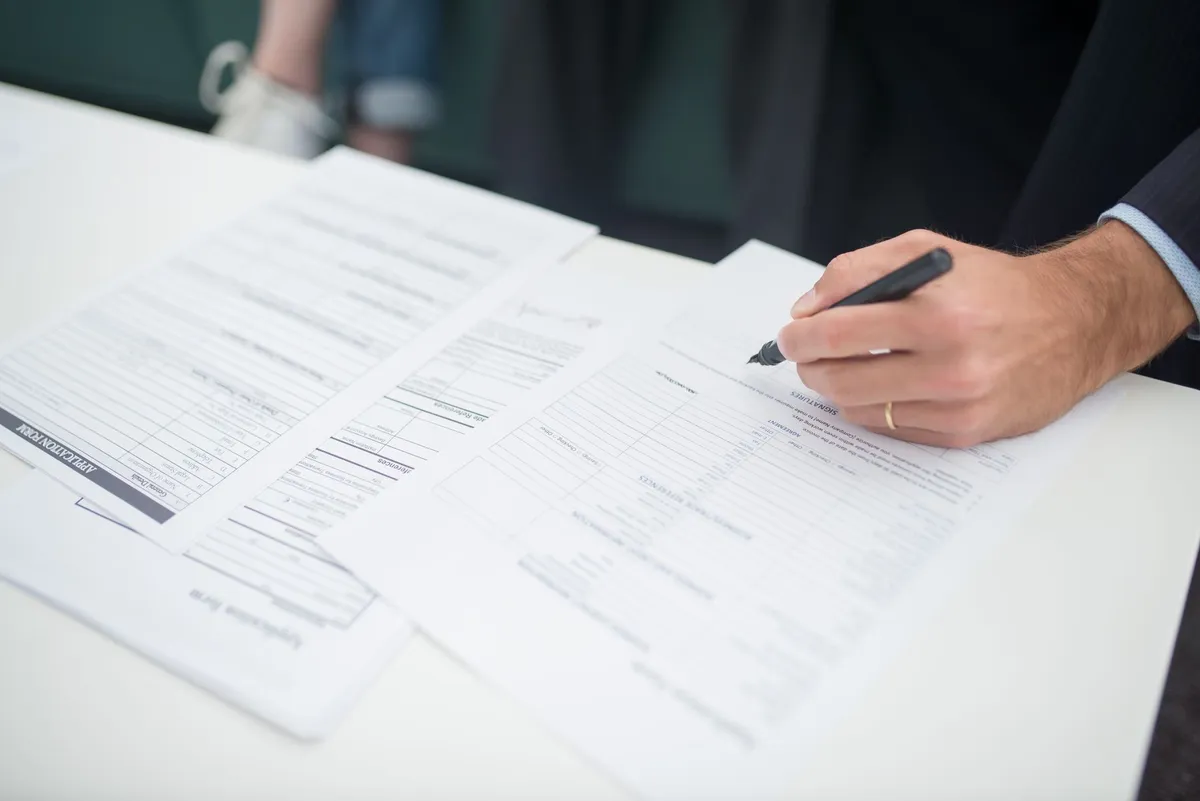
Insurance is one of the least glamorous parts of running a festival and one of the most important. A single injury, an unexpected storm, or a vendor mishap can turn a profitable weekend into a financial disaster — unless the right coverage is in place. This guide explains the core types of event insurance, demystifies terms like COI and additional insured, and points you toward getting properly quoted. It is educational only; always work with a licensed broker for advice specific to your event.
For the broader planning picture, see our organize an event hub, and slot insurance into your festival planning timeline several months before the event.
Why event insurance matters
Festivals gather large crowds, temporary structures, vehicles, food service, and often alcohol — a combination that creates real risk. Beyond protecting your own finances, insurance is frequently a contractual requirement. Venues, municipalities issuing permits, sponsors, and vendors commonly demand proof of coverage before they will work with you. Without it, you may not be allowed to operate at all.
General liability: the foundation
General liability (GL) insurance is the baseline policy for nearly every event. It covers third-party claims for bodily injury and property damage — for example, an attendee who trips and is hurt, or damage to the venue caused during your event.
Coverage limits are usually expressed as a per-occurrence amount and an aggregate (total) amount. Venues and permit offices often specify minimum limits you must carry, so check those requirements before you shop for a policy.
Liquor liability
If your festival serves or sells alcohol, standard general liability typically will not cover alcohol-related incidents. Liquor liability insurance addresses claims arising from serving alcohol — for instance, harm caused by an intoxicated guest. Many venues and jurisdictions require it whenever alcohol is present, whether you sell it directly or a licensed vendor does. Confirm who is responsible for carrying it in your vendor contracts.
Event cancellation and weather coverage
Even a flawless plan can be undone by forces outside your control. Event cancellation insurance can reimburse lost revenue and non-recoverable expenses if you must cancel, postpone, or cut short the event for covered reasons.
Weather is a leading concern for outdoor festivals. Depending on the policy, adverse-weather or specific severe-weather coverage may protect you when storms force a shutdown. Read the terms carefully — what counts as a covered weather event, and any waiting periods or thresholds, varies significantly between policies.
Tip: Buy cancellation coverage early, well before any storm or disruption appears on the horizon. Insurers will not cover a risk that is already foreseeable, so waiting until bad weather is in the forecast usually means it is too late.
Understanding the COI and “additional insured”
Two terms come up constantly in event contracts, and organizers need to understand both.
- Certificate of Insurance (COI): a one-page document from your insurer that proves you carry coverage. It summarizes your policy types, limits, and dates. Venues, sponsors, and permit offices routinely ask for a COI before the event.
- Additional insured: a status you add to your policy that extends certain protections to another party — commonly the venue or the city. If a venue requires being named as additional insured, your insurer issues a COI reflecting that. Build time into your timeline for these requests, as they can take a few days to process.
You will likely be both a giver and a receiver of COIs: your vendors should provide certificates to you, and you will provide them to the venue and municipality.
Common coverage types at a glance
| Coverage | What it protects against | Often required by |
|---|---|---|
| General liability | Third-party injury and property damage | Venues, permit offices |
| Liquor liability | Alcohol-related incidents | Venues, jurisdictions serving alcohol |
| Event cancellation | Lost revenue if the event is canceled or cut short | Organizer’s own risk management |
| Weather coverage | Losses from severe weather (policy-defined) | Outdoor event organizers |
Other coverages worth discussing with a broker include workers’ compensation for staff, auto liability for event vehicles, and equipment or property coverage for rented gear.
Getting properly quoted
Event insurance is not one-size-fits-all, and pricing depends on factors like attendance, alcohol, activities, location, and coverage limits. A few practical steps:
- Work with a licensed broker or agent who handles events. They can match coverage to your venue’s and permit office’s specific requirements.
- Look at specialist event insurers. Established providers such as K&K Insurance and Markel are well known in the event and entertainment space; a broker can compare them and others for your situation.
- Gather your details first. Have your venue contract, expected attendance, activities, and any alcohol plans ready, since these drive the quote.
- Get multiple quotes and compare coverage terms, not just price. The cheapest policy may exclude exactly the risks you most need covered.
- Read exclusions carefully and ask your broker to explain anything unclear before you bind coverage.
Build insurance into your plan early
Because COIs, additional-insured requests, and underwriting all take time, treat insurance as an early milestone rather than a last-minute checkbox. Aligning it with the rest of your preparations — as outlined in our festival planning timeline — prevents the scramble of chasing certificates days before load-in.
Final thoughts
Event insurance protects both your finances and your ability to operate at all. Start with general liability, layer in liquor liability and cancellation or weather coverage as your event demands, and understand the COI and additional-insured requests you will field from every direction. Most importantly, get tailored quotes from a licensed broker rather than relying on general information. For more organizer guidance, return to our organize an event hub.
Organizing an event?
Tell us what you need — staging, tents, security, ticketing — and we’ll point you to the right suppliers.
Keep reading
How to Make Your Festival More Sustainable (Without Greenwashing)
Practical, honest sustainability steps for event organizers: waste diversion, reusables, cleaner power, and measuring results instead of vague green claims.
Mar 5, 2026
Sponsorship 101: How to Land Sponsors for Your Event
A practical playbook for event sponsorship: building tiers, crafting a deck, valuing assets, prospecting, activation, and reporting ROI to keep sponsors coming back.
Dec 18, 2025
Crowd Safety 101: Keeping Your Festival Incident-Free
A practical crowd-safety primer for festival organizers — capacity, ingress/egress, barriers, crowd managers, weather plans, and medical readiness.
Oct 8, 2025