Sponsorship 101: How to Land Sponsors for Your Event
A practical playbook for event sponsorship: building tiers, crafting a deck, valuing assets, prospecting, activation, and reporting ROI to keep sponsors coming back.

For many festivals and events, sponsorship is the difference between breaking even and building something sustainable. But sponsors don’t write checks for goodwill — they invest in outcomes. This guide walks organizers through the full cycle: packaging what you have, pricing it fairly, pitching the right partners, delivering on promises, and proving the return so they renew.
Start With What You’re Actually Selling
Before you build tiers or send a single email, take inventory of your sellable assets. Sponsors buy access and attention, and you have more to offer than a logo on a banner.
- Visibility: signage, stage banners, video boards, step-and-repeat backdrops, program ads.
- Naming rights: the main stage, a zone, the VIP lounge, or the whole event.
- Activation space: a booth or branded experience where attendees interact directly.
- Digital: website placement, email mentions, social posts, app presence.
- Hospitality: VIP tickets, backstage access, on-site entertaining space.
- Sampling/exclusivity: the right to be the only beverage, bank, or telecom on site.
Tip: Activation space and category exclusivity are often your highest-value assets — far more than a logo on a flyer. A brand that gets to engage your audience directly will pay a premium for it.
Build Sponsorship Tiers
Tiers package your assets into clean, comparable options. A common structure uses metal names (Title, Gold, Silver, Bronze), but use whatever your market understands. Keep it to a handful of levels so prospects can decide quickly.
| Tier | Typical inclusions | Best for |
|---|---|---|
| Title / Presenting | Naming rights, top billing, premium activation | Anchor brand |
| Gold | Prominent signage, activation booth, VIP passes | Major partners |
| Silver | Mid-level signage, digital mentions, tickets | Regional brands |
| Bronze / Community | Logo placement, listing, basic passes | Local businesses |
Leave room for custom packages. Big sponsors rarely fit neatly into a template, and the flexibility to tailor a deal often closes the largest ones.
Value Your Assets Honestly
Pricing is where many organizers stumble — they either undersell or pull numbers from thin air. Build defensible value instead:
- Audience reach: attendance, demographics, and engagement that match the sponsor’s customers.
- Comparable rates: what equivalent advertising or activation would cost elsewhere.
- Scarcity: exclusivity and limited inventory justify higher prices.
- Tangible deliverables: count the impressions, samples, leads, or passes each tier provides.
Avoid inventing precise figures you can’t back up. If you don’t have verified numbers yet, use ranges and be transparent about how you estimated them — credibility is worth more than an inflated rate card.
Craft a Sponsorship Deck That Sells
Your deck is the pitch. Keep it tight, visual, and focused on the sponsor’s goals, not your event’s history.
- Open with the audience: who attends and why a brand should care.
- Tell the story: what the event is and the experience it creates.
- Show the assets: photos of signage, activations, and crowds from past years.
- Present the tiers: clear inclusions and pricing.
- Make it easy: contact details, deadlines, and a simple next step.
Lead with what the sponsor gets, not with what you need. Sponsors fund outcomes — reach, affinity, leads, sales — so frame every asset in terms of the result it drives.
Prospect and Reach Out
The best sponsors are brands that already want your audience. Build a target list before you pitch:
- Local relevance: businesses that serve your attendees’ community.
- Category fit: brands whose products suit the event (beverages at a festival, gear at an outdoors event).
- Past sponsors: of similar events in your region.
- Warm connections: vendors, partners, and personal networks.
Personalize outreach — reference the specific brand’s goals and explain why your audience is a match. A short, tailored note that respects their time beats a mass-blasted PDF every time. Expect to follow up; sponsorship decisions often take several touches and run on the brand’s marketing calendar, so start early.
Activation and Fulfillment
Landing the deal is the start, not the finish. Fulfillment is delivering exactly what you promised, and activation is helping the sponsor make the most of their investment on site.
- Confirm every deliverable in a written agreement with deadlines and specs.
- Collect logos, artwork, and approvals well before print and production cut-offs.
- Support the sponsor’s on-site activation with power, space, and logistics.
- Assign a point person so the sponsor always knows who to call.
A sponsor who has a smooth, well-supported experience is a sponsor who renews. Treat fulfillment with the same care you’d give a paying ticket holder.
Report the ROI
The renewal conversation is won (or lost) in your wrap-up report. After the event, document what the sponsor received and how it performed:
- Attendance and audience data.
- Photos of signage, activations, and crowds engaging with the brand.
- Digital metrics: impressions, social reach, email opens, web placements.
- Activation results: samples handed out, leads collected, foot traffic.
- A clear thank-you and an invitation to renew, ideally with early-bird terms.
Make the report easy to forward up the sponsor’s chain of command. When their marketing team can show their boss a clean recap of value delivered, your renewal practically sells itself.
Build Relationships, Not Transactions
The organizers who win sponsorship year after year treat it as a partnership: they understand the brand’s goals, deliver flawlessly, and prove the return with data. Package your assets thoughtfully, price them honestly, pitch the right partners, and over-deliver on fulfillment.
Sponsorship works best when it’s baked into your overall event strategy from the beginning. See how it fits the bigger picture in our guide on how to plan a festival, and explore more operations resources on the organize an event hub.
Organizing an event?
Tell us what you need — staging, tents, security, ticketing — and we’ll point you to the right suppliers.
Keep reading
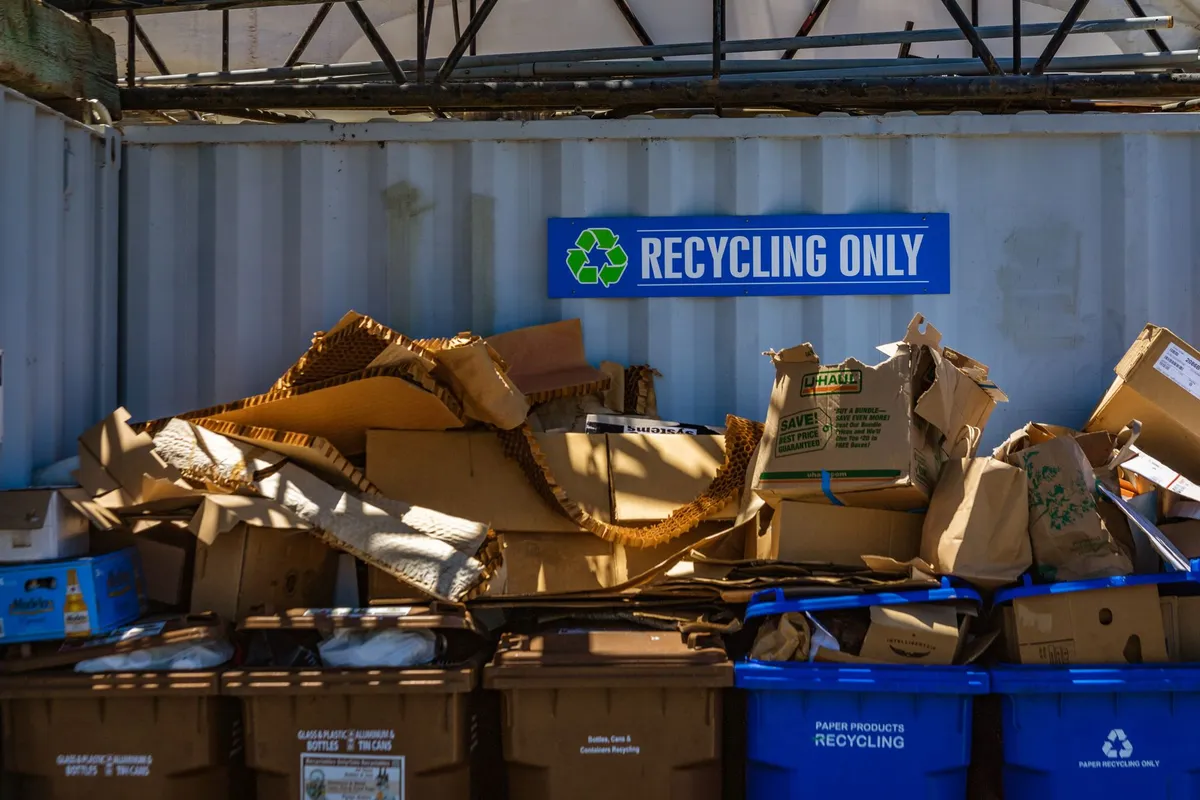
How to Make Your Festival More Sustainable (Without Greenwashing)
Practical, honest sustainability steps for event organizers: waste diversion, reusables, cleaner power, and measuring results instead of vague green claims.
Mar 5, 2026
Crowd Safety 101: Keeping Your Festival Incident-Free
A practical crowd-safety primer for festival organizers — capacity, ingress/egress, barriers, crowd managers, weather plans, and medical readiness.
Oct 8, 2025
Best Event Ticketing Platforms Compared (2025)
A neutral 2025 comparison of event ticketing platforms for organizers, including Eventbrite, Tixr, DICE, Universe, See Tickets, and Ticketmaster.
Aug 9, 2025