
How to Make Your Festival More Sustainable (Without Greenwashing)
Practical, honest sustainability steps for event organizers: waste diversion, reusables, cleaner power, and measuring results instead of vague green claims.
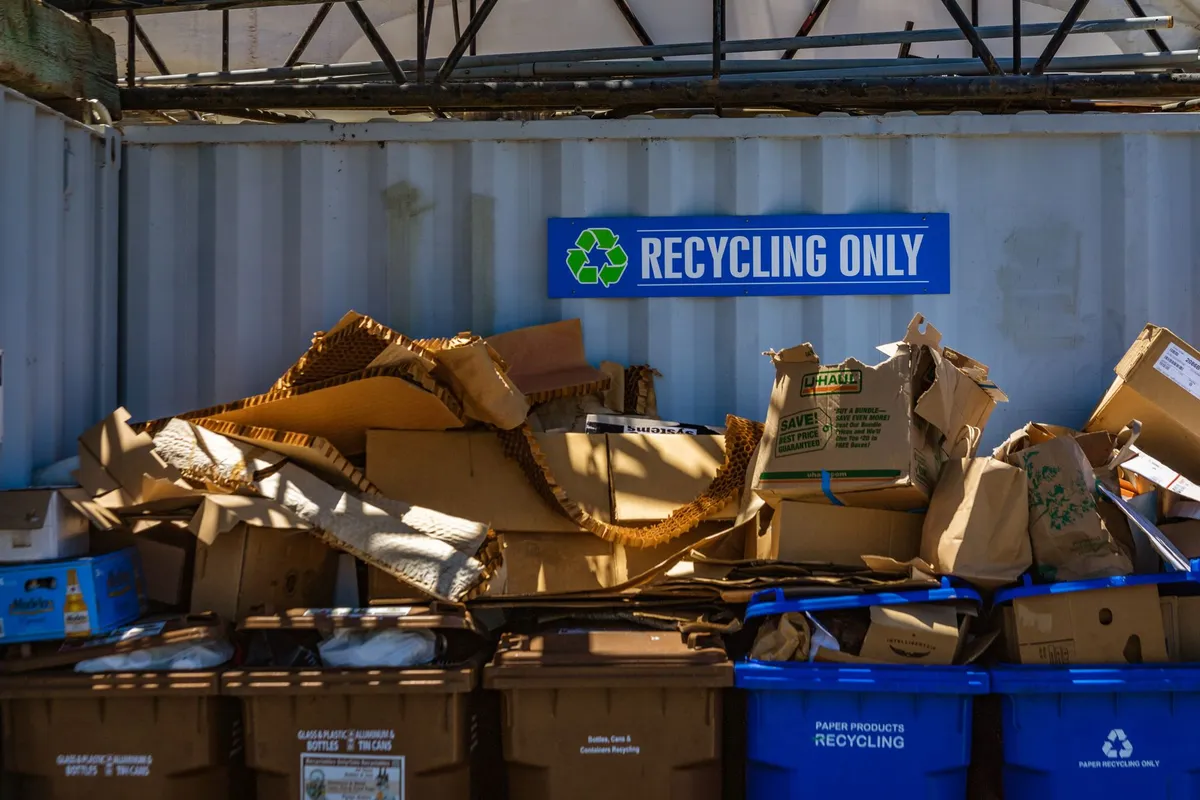
Audiences, sponsors, and local governments increasingly expect events to take their environmental footprint seriously. But sustainability done badly slides into greenwashing: vague claims, recycling bins that all go to landfill, and “eco-friendly” labels with nothing behind them. This guide focuses on practical steps that actually reduce impact, and on measuring and reporting honestly so your claims hold up.
For the broader planning context, start at our organize an event hub, and pair this with our companion piece on how to plan a festival so sustainability is built into your budget and timeline from day one.
This article is general guidance for organizers, not legal or certification advice. Confirm requirements and standards with the relevant official bodies and your local waste authority.
Start with measurement, not slogans
The single most important shift is to treat sustainability as something you measure rather than something you announce. Before you can credibly say an event is “greener,” you need a baseline: how much waste did you send to landfill, how much energy did you burn, how did most attendees travel?
A widely referenced framework here is ISO 20121, the international standard for sustainable event management. You do not have to pursue formal certification to benefit from its core idea: set objectives, assign responsibility, track data, and review results year over year. The non-profit Reverb is another real reference point, known for working with live events on environmental programs. Mentioning these is neutral; review their materials directly to see what fits your event.
Pick a handful of metrics you can realistically collect, such as waste diverted from landfill, generator fuel used, water bottles avoided, and transit or carpool uptake. Honest, modest numbers you can defend beat sweeping claims you cannot.
Tackle waste: diversion and recycling
Waste is the most visible part of any festival’s footprint, and the easiest place to make real progress.
- Set up clearly labeled, co-located bins for landfill, recycling, and (where available) compost. Single bins or unclear signage send recyclables to landfill anyway.
- Coordinate with your local waste authority and haulers early to confirm what they actually accept and process. Collecting “compostables” with no facility to process them is a classic greenwashing trap.
- Reduce at the source. The waste you never create needs no sorting. Push vendors toward minimal packaging and standardized, acceptable materials.
- Measure diversion rate (the share of waste kept out of landfill) and report the real figure, even when it is lower than you hoped.
Cut single-use items with reusables
Single-use cups, plates, and cutlery generate enormous volume. Practical alternatives:
- Reusable cup programs, often with a small deposit returned when the cup comes back, dramatically reduce cup waste when attendees understand the system.
- Water refill stations let people refill bottles or cups, cutting bottled-water sales and plastic while keeping the crowd hydrated.
- Require or incentivize vendors to use genuinely compostable or reusable serviceware that matches what your waste partner can handle.
The catch with reusables is logistics: collection, washing, and storage. Build those costs and roles into your plan rather than bolting them on at the last minute.
Rethink transportation
For many events, attendee travel is the largest single source of emissions, even though it happens off-site and is easy to ignore.
- Promote public transit with clear directions, schedules, and partnerships where possible.
- Encourage carpooling with dedicated lanes, preferred parking, or ride-matching information.
- Provide shuttle options from transit hubs or central lots to reduce single-occupancy car trips.
- Make the low-impact choice the easy choice by featuring it prominently in your communications, not buried on a sub-page.
Choose cleaner power
Diesel generators are a festival staple and a major fuel burn. Cleaner options are increasingly practical:
- Battery-hybrid generators pair batteries with a smaller engine that runs only to recharge, cutting fuel use and noise during low-demand periods.
- Right-size your power. Oversized generators idling at low load waste fuel; a proper load assessment often shrinks what you actually need.
- Grid power where available can beat on-site generation, depending on the local energy mix.
- Track fuel consumption so you can show real reductions rather than assert them.
| Power approach | Strength | Honest caveat |
|---|---|---|
| Standard diesel generator | Reliable, familiar, widely available | Highest fuel use and emissions |
| Battery-hybrid generator | Less fuel and noise at low load | Higher rental cost; sizing matters |
| Grid connection | Often cleaner and quieter | Depends on local grid; not available everywhere |
Source responsibly
Sustainable procurement means looking at what you buy and from whom:
- Prioritize local suppliers and food vendors to cut transport and support the community.
- Specify materials in vendor and supplier contracts, including acceptable serviceware and packaging, so expectations are clear up front.
- Favor reusable infrastructure (signage, fencing, decor) you can store and reuse across editions instead of rebuilding each year.
Report honestly to avoid greenwashing
The line between credible sustainability and greenwashing is specificity. To stay on the right side:
- Say what you measured, not what you “believe.” “We diverted a measured share of waste from landfill” beats “zero waste.”
- Avoid absolute or unverifiable claims such as “carbon neutral” or “100% green” unless you can fully substantiate them with a recognized methodology.
- Share both wins and shortfalls. Audiences trust organizers who admit what did not work and commit to improving.
- Reverify each year. Programs and local facilities change, so confirm what is true for the current edition.
Final thoughts
Real festival sustainability is unglamorous: clear bins, washed cups, right-sized power, easier transit, and honest numbers reviewed year over year. Skip the vague labels, lean on recognized frameworks like ISO 20121 and references such as Reverb to guide your approach, and let measurable results speak for themselves. Build it into the plan from the start using our organize an event hub and our guide to how to plan a festival, and your green claims will be ones you can actually stand behind.
Organizing an event?
Tell us what you need — staging, tents, security, ticketing — and we’ll point you to the right suppliers.
Keep reading

Sponsorship 101: How to Land Sponsors for Your Event
A practical playbook for event sponsorship: building tiers, crafting a deck, valuing assets, prospecting, activation, and reporting ROI to keep sponsors coming back.
Dec 18, 2025
Crowd Safety 101: Keeping Your Festival Incident-Free
A practical crowd-safety primer for festival organizers — capacity, ingress/egress, barriers, crowd managers, weather plans, and medical readiness.
Oct 8, 2025
Best Event Ticketing Platforms Compared (2025)
A neutral 2025 comparison of event ticketing platforms for organizers, including Eventbrite, Tixr, DICE, Universe, See Tickets, and Ticketmaster.
Aug 9, 2025