
Crowd Safety 101: Keeping Your Festival Incident-Free
A practical crowd-safety primer for festival organizers — capacity, ingress/egress, barriers, crowd managers, weather plans, and medical readiness.
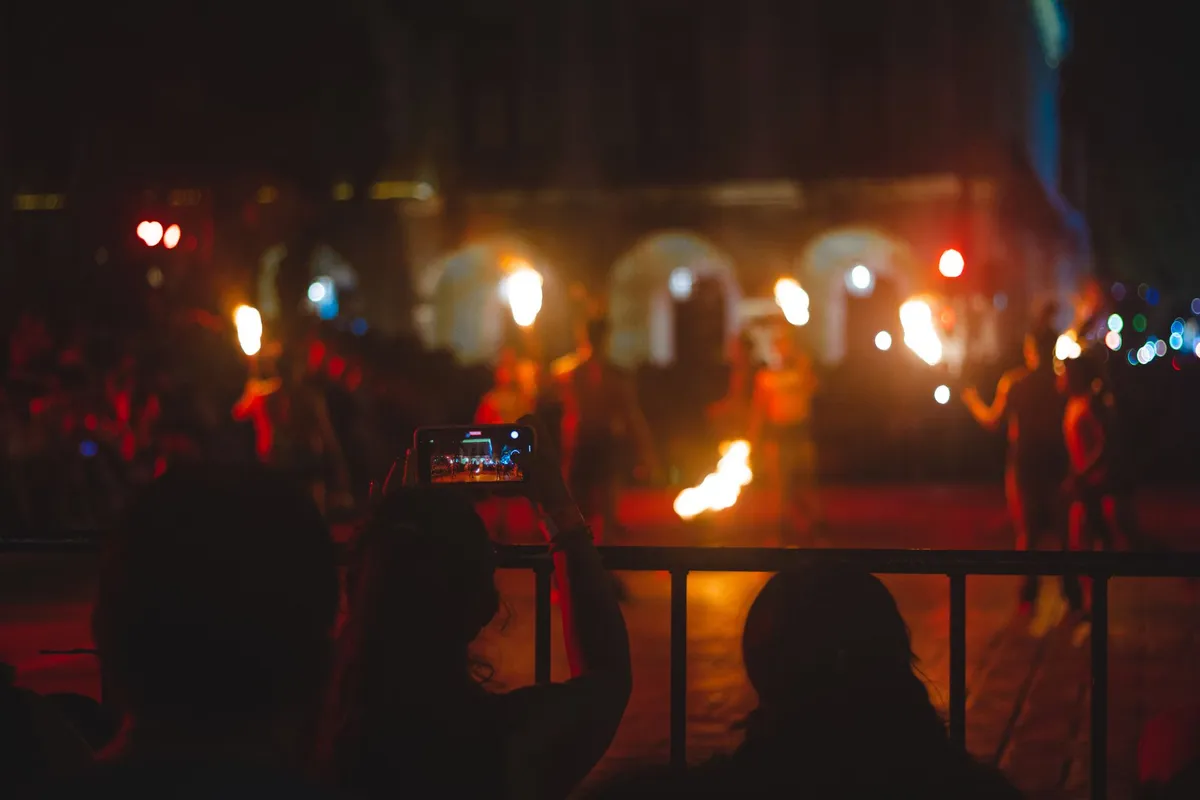
Crowd safety is the quiet backbone of every successful festival. When it works, nobody notices; when it fails, the consequences can be catastrophic. This guide walks organizers through the fundamentals of managing people at scale so your event stays welcoming, smooth, and incident-free.
A quick note before we start: this article is an educational overview, not legal or engineering advice. Always work with qualified safety professionals, your venue, and local authorities, and confirm requirements against the codes that apply where your event takes place.
Start With Capacity and Occupant Load
Everything in crowd safety flows from one number: how many people can your space safely hold? Occupant load is calculated from the usable area, the type of activity, and the available exits. Overcrowding is the single most common root cause of crowd incidents, so this figure is non-negotiable.
Frameworks like NFPA 101 (the Life Safety Code) provide widely referenced methods for determining occupant load and required exit capacity. Your local fire marshal or building official typically signs off on the final number.
- Calculate occupant load for each distinct space (main stage field, beer garden, tents).
- Track attendance in real time where possible — turnstiles, scanned tickets, or manual clickers.
- Build in a cushion below the maximum so you have room to manage surges.
- Have a clear plan for what happens when a zone approaches capacity.
Tip: Decide your “stop entry” threshold before the gates open, not in the middle of a rush. Write it down, share it with your team, and empower a named decision-maker to call it.
Ingress, Egress, and Flow
How people enter, move through, and leave your site determines whether a normal evening stays normal. The goal is to avoid pinch points where dense crowds and limited exits meet.
Entry (ingress)
Stagger arrivals where you can, open enough lanes to prevent long static lines, and keep search and ticket-scan stations from bottlenecking the sidewalk or roadway behind them.
Exit (egress)
Egress is the priority in any emergency. Keep all marked exits unlocked, unobstructed, and clearly signed throughout the event. Aisles and gangways must stay clear — no vendor carts, cable runs, or parked equipment blocking a path to safety.
Internal flow
Map the routes people naturally take between stages, restrooms, food, and exits. One-way flows, wide thoroughfares, and clear signage reduce the cross-currents that create dangerous density.
Barriers and the Front-of-Stage Pit
Front-of-stage areas concentrate the most energy and the highest crowd density, so they demand specific attention. A properly engineered barrier system protects attendees from crush against the stage and gives medical staff a working space.
- Use barrier designed and rated for crowd loads, installed per the manufacturer’s specs.
- For high-energy shows, consider a pit between the barrier and stage for security and medics.
- Train spotters to watch the front rows and pull distressed attendees over the barrier.
- Plan for crowd-pressure relief: gaps, secondary barriers, or “finger” layouts for very large crowds.
The Event Safety Alliance’s Event Safety Guide is a widely used industry reference covering barrier strategy, crowd management, and show-specific risk planning in detail.
Crowd Managers and Staffing
Codes and guidance often call for trained crowd managers — staff whose job is specifically to observe, anticipate, and respond to crowd behavior. A common planning rule of thumb references roughly one crowd manager per 250 attendees, but always confirm the ratio that applies to your jurisdiction and event type.
| Role | Primary focus | Where they work |
|---|---|---|
| Crowd managers | Density, behavior, flow | Throughout the site |
| Gate/scan staff | Controlled entry, counts | Entrances |
| Security | Conflict, access control | Perimeter, pit, VIP |
| Medical team | Injury and illness response | First-aid posts, roving |
| Incident command | Decisions, coordination | Command post |
Brief everyone before doors open. Each staffer should know the evacuation signal, the nearest exits, the location of medical posts, and exactly who to radio when something looks wrong.
Severe Weather and Lightning Action Plans
Outdoor events live and die by the weather. A written severe-weather plan with pre-set trigger points removes guesswork in the moment.
- Assign someone to monitor forecasts and live radar throughout the event.
- Define lightning thresholds (a common practice suspends activity when lightning is within a set distance and resumes after a clear interval).
- Identify safe shelter or evacuation zones, and rehearse how you’ll move people there.
- Pre-write the public-address scripts so messaging is calm, clear, and consistent.
High winds are a serious hazard for stages, tents, and signage. Establish wind speeds at which you’ll stop the show, lower banners, or evacuate temporary structures, and confirm them with your structure vendors.
Medical, Water, and Heat
Most festival incidents are health-related — dehydration, heat illness, intoxication, and minor injuries. Plan for the routine so the rare emergency has resources free.
- Provide accessible free water stations, especially for hot-weather or all-day events.
- Position first-aid posts that are easy to find and reach with a stretcher or cart.
- Match medical staffing to crowd size, weather, and the event’s risk profile.
- Coordinate in advance with local EMS and the nearest hospital on access routes.
OSHA guidance on heat and worker safety is a useful reference for protecting your staff and volunteers, who often work long shifts in tough conditions.
Communication Ties It All Together
A plan only works if people can talk to each other. Build redundant communication: radios on assigned channels, a clear chain of command, and backup methods (runners, phones) for when networks fail. Decide in advance how you’ll address attendees — PA, video boards, text alerts — and keep the messaging calm and actionable.
For organizers building a full event from scratch, crowd safety should be woven into your planning from day one, not bolted on at the end. See our broader walkthrough on how to plan a festival and explore more operations resources on the organize an event hub.
The Bottom Line
Incident-free festivals are built on preparation: a defensible capacity number, clean entry and exit, engineered barriers, trained crowd managers, and weather and medical plans you’ve rehearsed. Lean on established frameworks like NFPA 101, the Event Safety Guide, and OSHA guidance, and bring in qualified professionals to validate your approach. Get the fundamentals right and the fun takes care of itself.
Organizing an event?
Tell us what you need — staging, tents, security, ticketing — and we’ll point you to the right suppliers.
Keep reading

How to Make Your Festival More Sustainable (Without Greenwashing)
Practical, honest sustainability steps for event organizers: waste diversion, reusables, cleaner power, and measuring results instead of vague green claims.
Mar 5, 2026
Sponsorship 101: How to Land Sponsors for Your Event
A practical playbook for event sponsorship: building tiers, crafting a deck, valuing assets, prospecting, activation, and reporting ROI to keep sponsors coming back.
Dec 18, 2025
Best Event Ticketing Platforms Compared (2025)
A neutral 2025 comparison of event ticketing platforms for organizers, including Eventbrite, Tixr, DICE, Universe, See Tickets, and Ticketmaster.
Aug 9, 2025