
Stage, Sound & Lighting Rental: What It Really Costs
Understand stage, PA, and lighting rental for events: what drives cost, mobile stages, line-array sound, lighting rigs, crew, and how to get accurate quotes.
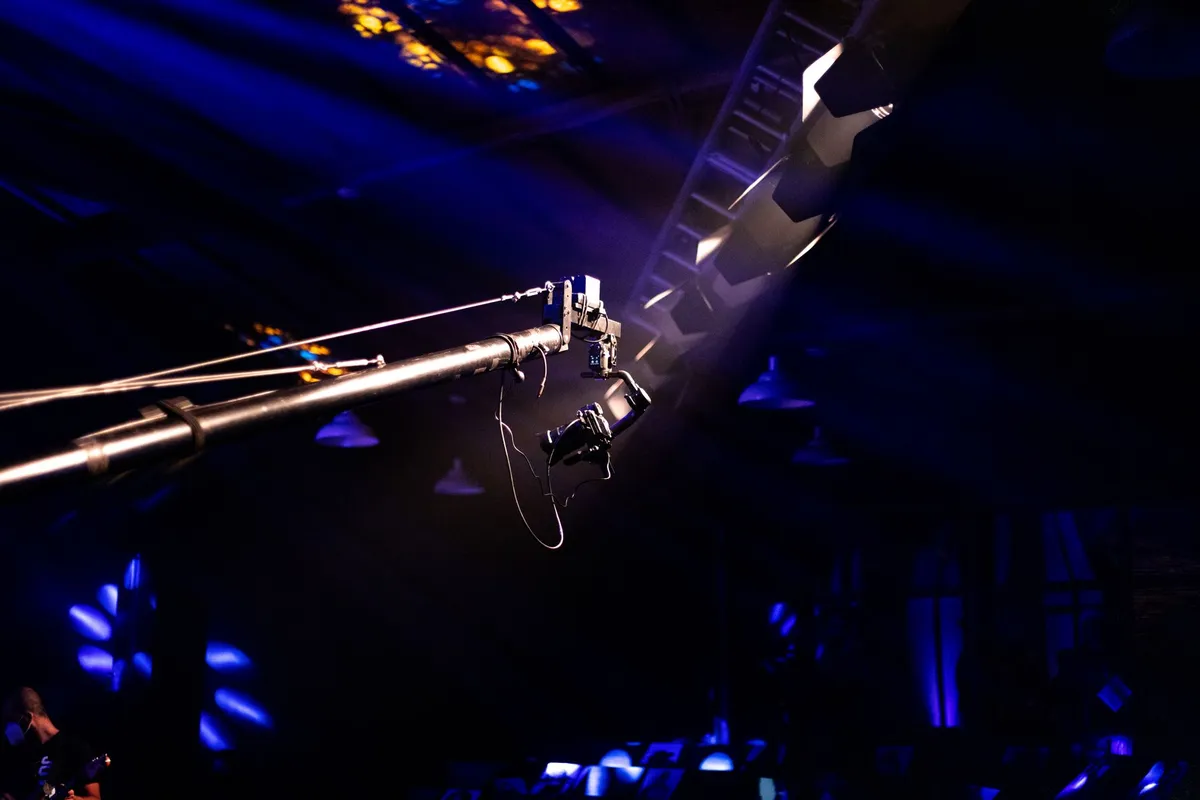
Few line items shape an event’s atmosphere more than the stage, sound, and lighting, and few are as commonly underestimated. Production costs swing enormously based on audience size, venue, and ambition. This guide breaks down what actually goes into staging an event so you can budget intelligently and ask suppliers the right questions.
Production rental prices vary far too much by market, date, and scope to quote reliably. Use this article to understand cost drivers, then gather multiple itemized quotes from local suppliers.
The three production pillars
A live event’s technical production usually breaks into staging, audio, and lighting, each with its own crew and equipment considerations.
Staging
The stage is the foundation, literally and logistically. Options range from simple deck stages assembled on site to mobile stages that fold out from a trailer. Mobile stage systems, such as those from Stageline and similar manufacturers, are popular for outdoor festivals because they deploy quickly and include integrated roofs rated for wind and rigging loads.
Cost drivers include stage size, roof and rigging requirements, height, ground conditions, and how long the stage is needed.
Sound (PA)
For anything beyond a small crowd, you’ll likely move from simple speakers to a line-array PA system, which stacks multiple speaker elements to project sound evenly across a large audience. Bigger crowds need more boxes, more amplification, and careful tuning.
Audio costs rise with audience size, the number of performers and inputs, monitor requirements for the stage, and whether you need a full front-of-house and monitor engineer.
Lighting
Lighting ranges from basic wash fixtures that simply illuminate performers to full lighting rigs with moving heads, trusses, and a lighting console for programmed shows. Daytime events may need little; evening and headline performances often justify a substantial rig.
Lighting cost depends on the number and type of fixtures, trussing and rigging, control complexity, and power distribution.
The factors that drive cost
Across all three pillars, the same variables repeatedly move the price:
- Crowd size: Larger audiences require more capable, more expensive systems.
- Indoor vs. outdoor: Outdoor events need weather-rated gear, more power, and sturdier rigging.
- Duration: Multi-day events mean longer rentals and more crew shifts.
- Crew and labor: Engineers, lighting designers, riggers, and stagehands are a major and sometimes overlooked cost.
- Power: Generators and distribution add up fast for outdoor sites.
- Transport and setup: Delivery, build, and teardown time all factor in.
- Artist requirements: A performer’s technical rider can dictate specific gear and crew.
Don’t forget the crew. Equipment alone doesn’t run an event; experienced engineers and stagehands often represent a large share of the bill, and skimping here is a common way to end up with a system nobody can run safely.
Typical setups by event size
The table below illustrates how needs scale. Treat it as a planning starting point, not a price list.
| Event size | Typical setup | Key considerations |
|---|---|---|
| Small (under ~200) | Compact PA, basic lighting, modest deck stage | One technician, minimal power needs |
| Medium (~200–1,000) | Mid-size PA, lighting rig, mobile or built stage | FOH engineer, weather plan, power distribution |
| Large (1,000+) | Line-array PA, full lighting rig, large roofed stage | Multiple engineers, rigging crew, generators, safety plan |
| Multi-stage festival | Several scaled systems plus shared infrastructure | Production manager, staggered crews, logistics coordination |
How to get an accurate quote
Vague requests get vague (and often unhelpful) numbers. To compare suppliers fairly:
- Share specifics: date, venue, indoor/outdoor, expected attendance, performance times, and any artist riders.
- Ask for an itemized quote separating equipment, crew, transport, and power.
- Confirm what’s included: setup, teardown, on-site engineering, and spares.
- Get multiple quotes. Three comparable bids reveal the real market range and protect you from outliers.
- Check insurance and references for any supplier you haven’t worked with.
Many events bundle staging, audio, and lighting with one production company, which can simplify coordination, while others piece it together. Either way, define your scope clearly before asking for prices.
Coordinating production with the rest of your event
Production doesn’t exist in a vacuum. Power, ground space, and load-in routes interact with tents, vendors, and crowd flow. If you’re also renting structures, plan layout and anchoring together; our event tent guide covers how those pieces fit. For the bigger picture, including budget sequencing and timelines, see how to plan a festival.
A few money-saving notes
- Right-size your gear. Oversized systems cost more without improving a modest event.
- Book early for popular dates, when equipment and crew are in demand.
- Reduce build complexity where it won’t hurt the experience.
- Bundle when it helps, but only if the package genuinely fits your needs.
The bottom line
Stage, sound, and lighting costs are driven by crowd size, venue, duration, power, and crew far more than by any single piece of equipment. Rather than chasing a headline price, define your event precisely and gather several itemized quotes so you can compare apples to apples. To find and vet production partners, browse our suppliers hub, and always confirm current pricing and availability directly with each vendor.
Organizing an event?
Tell us what you need — staging, tents, security, ticketing — and we’ll point you to the right suppliers.
Keep reading
How to Choose a Tent for Your Outdoor Event
A practical guide to choosing event tents: frame, pole, and clearspan structures, sizing by guest count, flooring, weather anchoring, permits, and suppliers.
Sep 26, 2025