The History of County Fairs in America
How American county fairs grew from 18th-century agricultural shows into the midways, livestock barns, and grandstands we still flock to today.
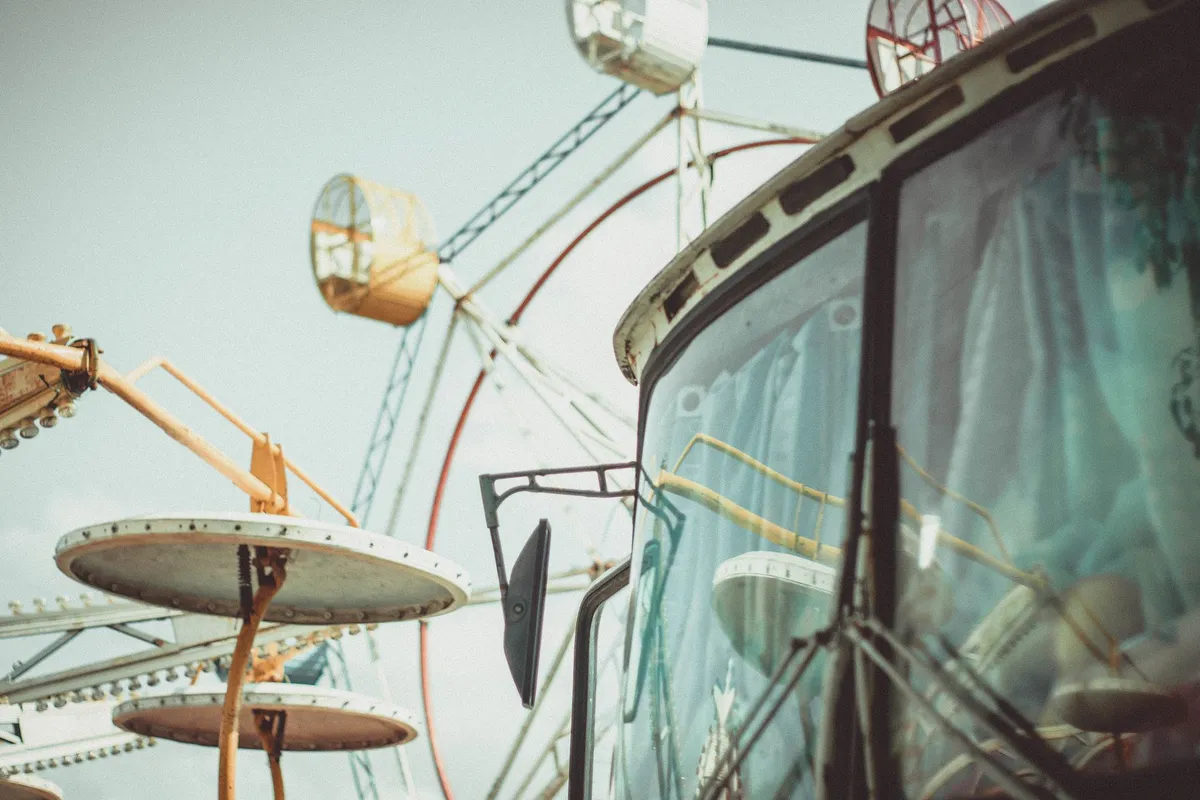
Few traditions are as woven into the American calendar as the county fair. For generations, late summer has meant prize hogs, blue ribbons, fried everything, and the rattle of a Ferris wheel against an evening sky. But the fair we know today grew from surprisingly practical roots — a deliberate effort to make farming better.
This is the story of how agricultural exhibitions became the midway-and-grandstand spectacle that still draws millions of visitors every year.
Agricultural Roots in the Early Republic
The American county fair traces back to the agricultural improvement movement of the late 18th and early 19th centuries. As the young nation’s economy leaned heavily on farming, civic-minded boosters wanted to spread better techniques, tools, and breeding practices among working farmers.
A figure often credited with shaping the modern fair is Elkanah Watson, a Massachusetts businessman who organized livestock exhibitions in the Berkshires in the early 1800s. His “Berkshire Plan” paired competition with education and community, and the model spread quickly across the Northeast and then westward.
Early fairs were essentially open-air classrooms with prizes attached:
- Premiums (cash or ribbons) rewarded the best crops, animals, and home goods.
- Demonstrations introduced new plows, seeds, and farming methods.
- Gatherings let scattered rural families compare results and trade knowledge.
Tip: When you visit a fair today, the livestock barns and exhibit halls are the oldest part of the tradition — the carnival came much later. Spend a little time there to see the fair’s original purpose still alive.
Livestock Judging and the Rise of 4-H
Competition was always central. Judging livestock, produce, baked goods, quilts, and preserves gave farmers a public benchmark and an incentive to improve. The blue ribbon became shorthand for excellence, and bragging rights traveled home with the winners.
In the early 20th century, the fair gained a powerful new partner: youth agricultural clubs that eventually organized under the 4-H banner, supported through the cooperative extension system. 4-H gave young people hands-on projects — raising an animal, growing a crop, sewing a garment — and the county fair became the natural stage to show that work.
That youth-education thread remains one of the most enduring features of the American fair. Walk through any modern livestock barn and you’ll find teenagers who have spent months raising the animals standing beside them. Future Farmers of America (FFA) chapters added another layer of agricultural education, and the junior livestock auctions that cap many fairs let young exhibitors sell their animals — often reinvesting the proceeds into the next year’s project. For many rural families, these competitions are a rite of passage passed down across generations.
The Midway and the Grandstand Arrive
As fairs grew in popularity, they grew in ambition. Two features transformed them from earnest agricultural shows into full-blown entertainment events.
The midway
By the late 19th and early 20th centuries, traveling carnival companies began contracting with fairs to provide rides, games, and attractions. The “midway” — a term popularized after the great world’s fairs of the era — brought the Ferris wheel, the carousel, games of chance, and a riot of food stands. It gave fairs their unmistakable sights, sounds, and smells.
The grandstand
Fairs also added grandstands for ticketed entertainment: horse racing and harness racing first, then auto racing, demolition derbies, rodeos, and eventually big-name concerts. The grandstand turned a daytime farm event into something that filled the evening too.
Here’s how the experience evolved at a glance:
| Era | Defining feature | Main draw |
|---|---|---|
| Early 1800s | Livestock exhibitions | Agricultural improvement |
| Late 1800s | Midway attractions | Rides, games, food |
| Early 1900s | 4-H and youth shows | Education, competition |
| Mid-1900s–today | Grandstand entertainment | Concerts, racing, shows |
How Fairs Persist Today
Many predicted the county fair would fade as the country urbanized and farming consolidated. Instead, fairs adapted. Today’s events still anchor on agriculture but lean into nostalgia, family entertainment, regional food culture, and community pride.
Fairs persist because they do several jobs at once:
- Education: 4-H, FFA, and exhibit halls keep agricultural learning visible.
- Economy: Fairs draw tourism dollars and showcase local vendors and artisans.
- Community: They remain a rare in-person gathering that crosses generations.
- Entertainment: Concerts, rides, and competitions keep crowds coming back.
State fairs scaled the same formula up to enormous size, while thousands of smaller county fairs keep the hometown feel. If you want to see the range, our roundup of the best state fairs is a good starting point.
The Corn Palace and the Living Tradition
Some fairs evolved into landmarks of their own. In Mitchell, South Dakota, the World’s Only Corn Palace grew out of exactly this agricultural-celebration tradition — a building decorated each year with murals made of corn and grain, anchoring a harvest-season festival that mixes the old (agriculture, community pride) with the new (carnival, grandstand concerts).
It’s a vivid reminder that the county fair was never just about prizes. It was about a community celebrating what it grew, and inviting everyone to come look. That impulse — equal parts pride, education, and pure summer fun — is why these events have outlasted nearly every prediction of their demise.
For more stories on the people, places, and traditions behind America’s festivals, browse the full magazine.
A Tradition Still in Bloom
From Elkanah Watson’s Berkshire livestock shows to the LED-lit midways of today, the American county fair has proven remarkably durable. It started as a tool to make farming better and became one of the country’s most beloved seasonal rituals — a place where blue ribbons, fried dough, and grandstand lights all share the same fairground.
Keep reading
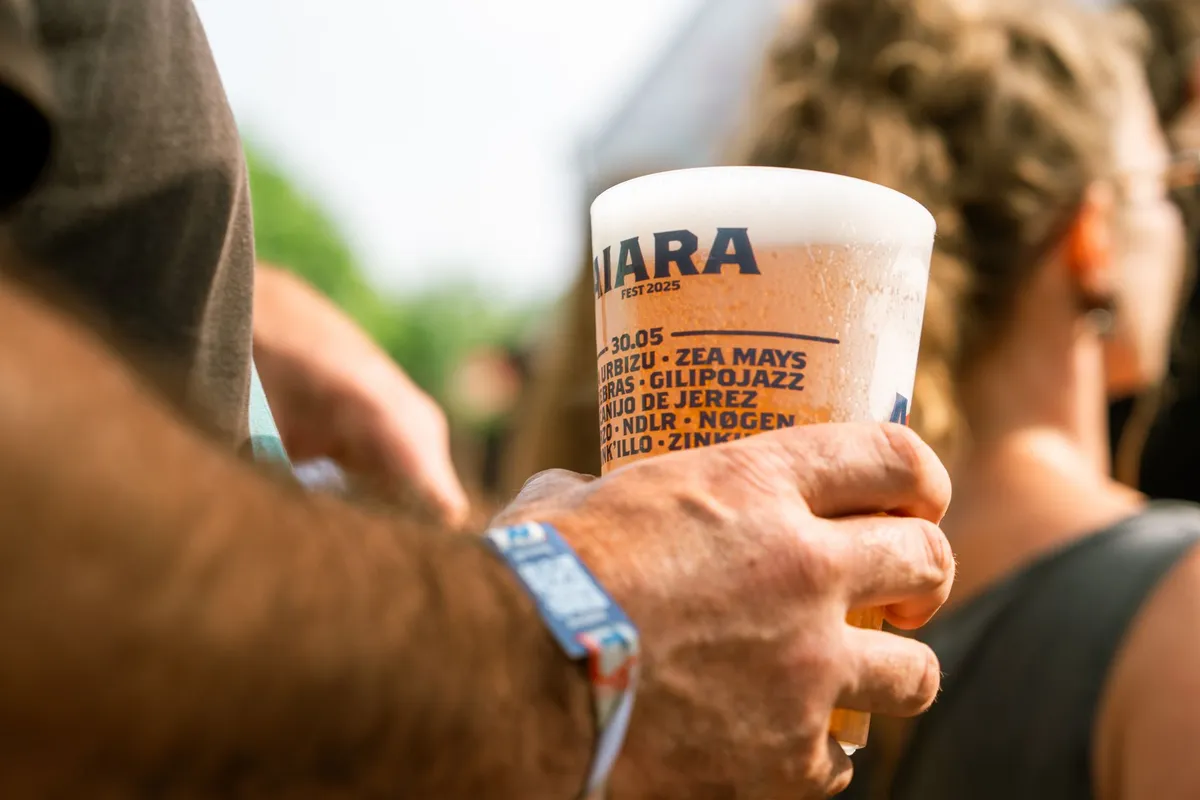
How Cashless Payments Took Over Festivals (RFID Explained)
Why festivals went cashless: how RFID wristbands work, the perks for organizers and fans, top-ups and refunds, and the privacy questions worth asking.
Dec 3, 2025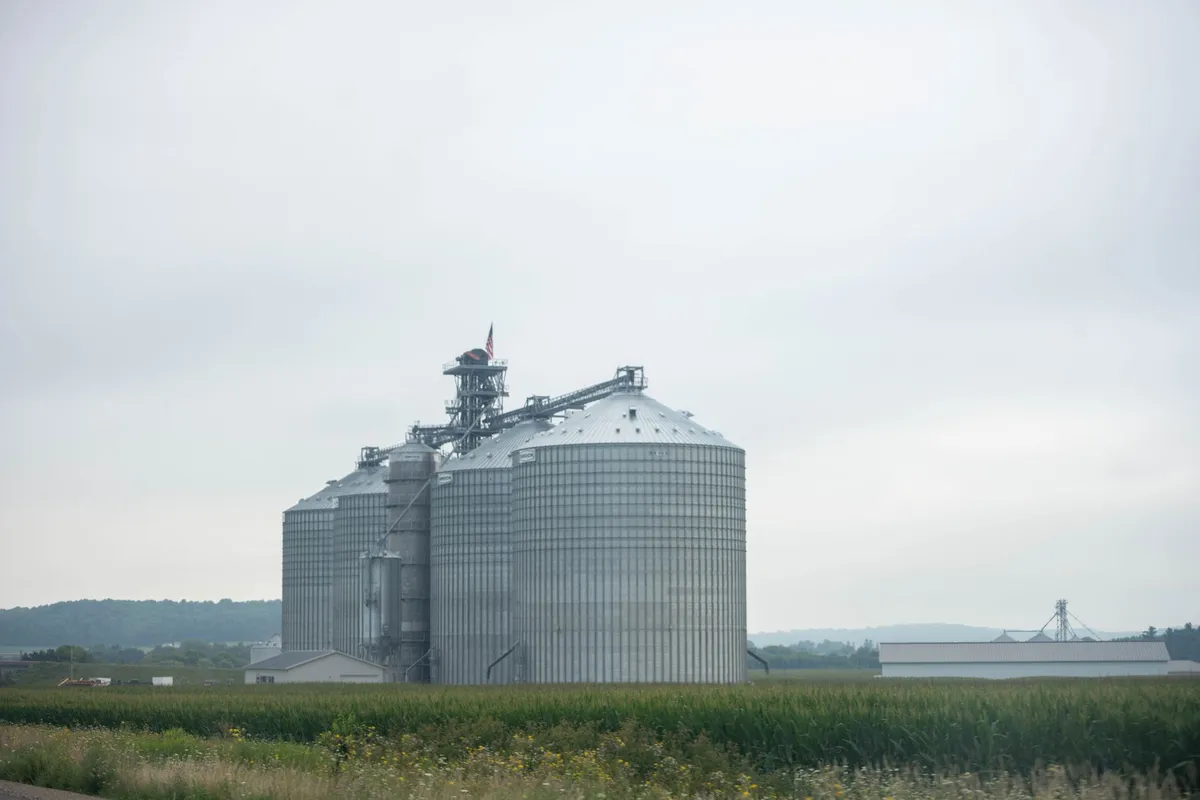
What Is the World's Only Corn Palace? History & Visiting Guide
Discover the World's Only Corn Palace in Mitchell, SD — its corn-mural history, Moorish-revival domes, role as an arena, and how to visit this iconic landmark.
Mar 20, 2025