
How to Buy Festival Tickets Without Getting Scammed
Learn how to buy festival tickets safely: official sellers vs resale, spotting scams, presale codes, verified resale, and payment protection that has your back.
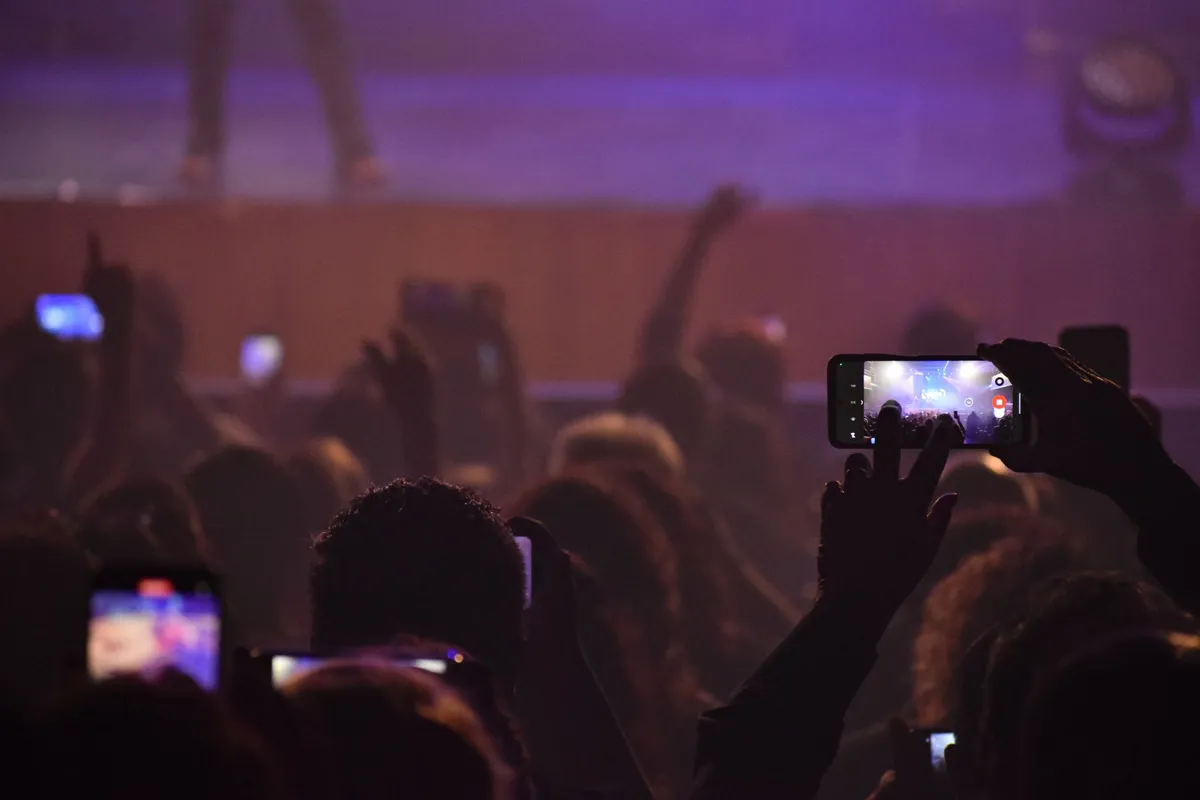
Few things sting like discovering the festival pass you paid for is fake. As demand for popular events climbs, so does the number of scammers selling counterfeit, duplicate, or simply nonexistent tickets. The good news: with a little knowledge, you can buy with confidence and keep your money and your weekend safe. This guide walks through where to buy, how to spot a scam, and how to protect every purchase.
When you are ready to plan the rest of your trip, our tickets hub ties together everything from on-sale timing to entry logistics.
Start with the official primary seller
The single best way to avoid a scam is to buy from the festival’s authorized primary seller. Find it by going to the event’s official website and following its “Buy Tickets” link rather than searching the festival name and clicking an ad or random result.
Primary sellers are the platforms a festival contracts to handle its first-run sales. Major, well-established ticketing companies such as Ticketmaster and AXS are common primary sellers for large U.S. festivals, and many events also use their own branded ticketing pages. Because these channels sell directly on behalf of the organizer, the tickets are guaranteed valid.
Tip: Bookmark the festival’s official site months ahead of the on-sale date. Scammers spin up lookalike domains and social posts in the weeks before a popular event, so a trusted bookmark protects you from a convincing fake.
Presales, codes, and on-sale day
Many festivals open a presale before tickets go on sale to the general public. Presale access usually comes from a legitimate source — an artist fan club, a credit card partner, a local radio station, or the festival’s own email list.
- Sign up for the official newsletter to get codes straight from the organizer.
- Never buy a presale code from a stranger; codes are often single-use and may already be spent.
- Be ready early with a logged-in account, saved payment details, and a stable connection so you are not tempted to chase risky resale options if you miss out.
Resale done right: verified platforms
Sold-out events make the resale (secondary) market unavoidable. The key is using platforms with buyer protections rather than informal peer-to-peer deals.
Reputable secondary marketplaces such as SeatGeek and StubHub, along with the verified resale features built into platforms like Ticketmaster and AXS, typically offer guarantees that the ticket will be valid or your money refunded. Verified resale within the original primary platform is often the safest secondary option because the ticket is transferred digitally inside the same system.
Compare what each channel typically offers before you buy:
| Channel | Validity assurance | Best for |
|---|---|---|
| Official primary seller | Highest — sold by the organizer | First-run on-sales and presales |
| Verified resale (within primary platform) | High — digital transfer in-system | Sold-out events at face or market price |
| Major secondary marketplace | Buyer guarantee / refund policy | Resale when primary is gone |
| Social media / classifieds | None | Avoid for high-value tickets |
Always read the specific guarantee and refund terms on whichever platform you choose, since policies differ. For a deeper comparison of features and fees, see our overview of the best ticketing platforms.
How to recognize a scam
Scammers rely on urgency and emotion. Slow down and watch for these red flags:
- Prices that seem too good to be true, especially for a sold-out event.
- A seller who pressures you to decide “right now” or claims other buyers are waiting.
- Requests for payment via gift cards, wire transfer, cryptocurrency, or peer-to-peer apps marked “for friends and family.” These methods offer no recourse.
- A blurry screenshot of a ticket instead of a verified digital transfer. Screenshots can be sold to dozens of people.
- A brand-new social media account or a profile with no history, pushing tickets in comments or DMs.
- Off-platform deals where a “verified” seller asks you to complete the sale outside the marketplace to dodge fees.
Payment protection that has your back
The way you pay is your safety net. Choose methods that let you dispute a charge.
- Use a credit card whenever possible. Credit cards offer chargeback rights if the tickets never arrive or turn out to be fake.
- Keep all confirmation emails and receipts in case you need to file a dispute.
- Complete the purchase inside the official platform so transfers are logged and traceable.
- Avoid irreversible payments like wire transfers and gift cards for any ticket purchase.
A quick do and don’t list
Do:
- Buy from the festival’s official site or its authorized primary seller.
- Use verified resale or major marketplaces with buyer guarantees when buying secondary.
- Pay with a credit card and save every receipt.
- Sign up for official presale alerts and act fast on-sale day.
Don’t:
- Buy from strangers on social media, forums, or classifieds.
- Pay with gift cards, wire transfers, crypto, or “friends and family” transfers.
- Trust a screenshot as proof of a real, transferable ticket.
- Let urgency or fear of missing out rush you into a risky deal.
Final thoughts
Buying festival tickets safely comes down to three habits: start at the official source, use platforms with real buyer protections, and pay in a way you can dispute. Skip the social-media bargains and the gift-card requests, and you remove the openings scammers depend on. For more on choosing where to buy and managing your entry, explore our tickets hub and compare your options in our best ticketing platforms guide.