How to Become a Food Vendor at Fairs & Festivals
Step-by-step guide to becoming a food vendor at fairs and festivals: finding events, applications, permits, booth fees, equipment, payments, and sales tips.
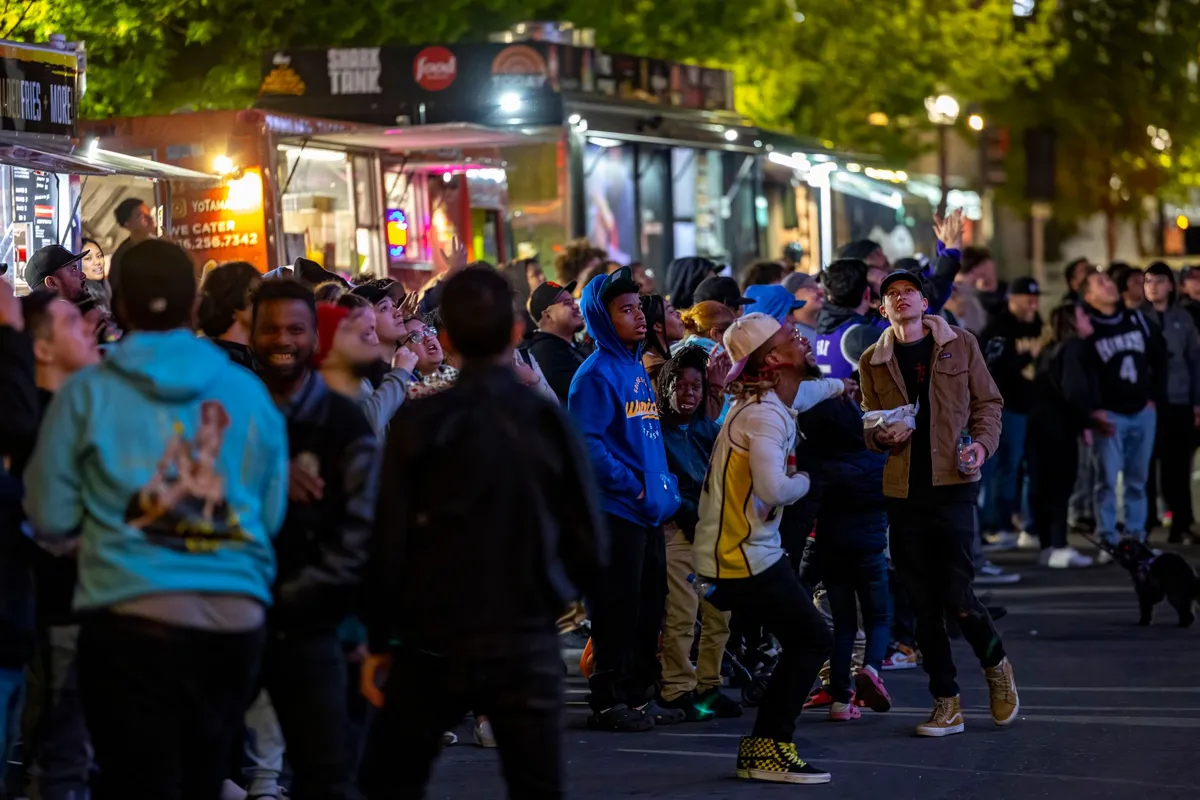
Selling food at fairs and festivals can be a rewarding business, whether you run a full food truck or a single funnel-cake stand. But behind every busy booth is a stack of applications, permits, and logistics. This guide walks through how to break in, what to expect from the process, and how to give yourself the best shot at a profitable season.
Requirements differ by event, city, and state. Use this as a roadmap, then confirm specifics with each event organizer and your local health department before you commit money or time.
Step 1: Find the right events
Not every festival is a good fit for every vendor, so start by matching your menu and capacity to the right crowds.
- Local fairs and festivals: Check city and county event calendars, chamber of commerce listings, and community pages.
- State fairs and large festivals: Bigger crowds mean bigger opportunity but stiffer competition and earlier deadlines.
- Niche events: Harvest festivals, music events, and cultural celebrations may suit specialty menus well. Our roundup of fall harvest festivals is a good place to spot seasonal opportunities.
Browse our festival guides for events worth targeting, and note that the most popular ones often open vendor applications months in advance.
Step 2: Understand the application and jury process
Many established events use a selective process rather than first-come, first-served. Be ready to provide:
- A description of your menu, with prices and photos.
- Your business details, licenses, and insurance.
- Equipment dimensions and power/water needs.
- References or a history of past events.
Larger or more curated festivals may jury applications, choosing vendors based on quality, uniqueness, and menu balance. Organizers often avoid stacking too many vendors selling the same item, so a distinctive offering helps you stand out. Apply early, follow instructions exactly, and present yourself professionally.
Step 3: Budget for fees and commissions
Vendor costs come in a few common shapes. Exact figures vary widely by event size and location, so always get the fee structure in writing.
- Flat booth or space fee: A set amount for your spot, sometimes scaled by frontage or location.
- Commission / percentage of sales: A share of revenue paid to the organizer, common at large fairs.
- Hybrid: A smaller flat fee plus a percentage.
- Add-ons: Electricity, water hookups, extra space, or premium placement.
Ask whether fees are refundable, when they’re due, and what’s included. A high-traffic event with a higher fee can still out-earn a cheap, sleepy one, so weigh cost against expected foot traffic.
Step 4: Get your permits and certifications
Food service is closely regulated, and missing paperwork can shut you down on event day.
- Temporary food establishment permit: Usually issued by the local health department for the event.
- Food-handler or food-manager certification: Often required for staff handling food.
- Business license and sales tax registration: Depending on your state and city.
- Fire safety review: Common if you cook with propane or open flame.
Because these rules stack across city, county, and state, read our event permits guide for the bigger picture, then confirm exact requirements with the relevant health department and the event organizer.
Step 5: Plan your equipment and setup
A smooth setup protects both your sales and your sanity.
- Cooking and holding equipment sized to your expected volume.
- A canopy or tent, tables, signage, and clear menu boards.
- Handwashing and sanitation stations as required by code.
- Power and water: Confirm what the event supplies and what you must bring (generators, water tanks).
- Backup supplies: Extra propane, ingredients, and small tools.
Step 6: Accept payments smoothly
Cash-only booths leave money on the table. Most successful vendors accept cards and contactless payments, and many events are moving toward cashless systems.
A reliable point-of-sale setup speeds up your line and captures impulse buys. For a deeper look at choosing hardware and software, see our guide to POS for festival vendors. Whatever you use, test it before the event and have a backup plan for spotty connectivity.
Tips to maximize sales
| Focus area | What to do | Why it helps |
|---|---|---|
| Menu | Keep it tight and fast to make | Shorter lines, less waste |
| Pricing | Round, simple numbers | Faster transactions, easier math |
| Visibility | Bold signage and photos | Draws the eye from a distance |
| Speed | Streamline your workflow | More sales during peak hours |
| Staffing | Schedule for rush periods | Fewer lost customers |
A few more proven moves:
- Offer a signature item people line up for and remember.
- Sample when allowed to pull in curious passersby.
- Watch your peaks and have your fastest items ready before the rush.
- Be friendly and consistent. Repeat customers and word of mouth matter.
Build for the long run
Treat each event as a relationship, not a one-off. Organizers re-invite reliable, clean, professional vendors, and a good reputation makes future applications easier. Keep records of your sales, costs, and what sold best so you can refine your menu and pick stronger events next season.
The bottom line
Becoming a food vendor comes down to preparation: find events that fit your menu, apply early and professionally, secure the right permits, equip your booth properly, and make paying fast and easy. Start small, learn each event’s rhythm, and reinvest in what works. For more resources on selling at events, explore our be a vendor hub, and always verify permit and fee details with official sources before you commit.
Organizing an event?
Tell us what you need — staging, tents, security, ticketing — and we’ll point you to the right suppliers.
Keep reading
Square vs. Clover: Best POS for Festival Vendors
A vendor's buyer's guide to festival point-of-sale: Square vs. Clover compared on offline mode, hardware, fees, and outdoor connectivity, plus SumUp and Toast.
Apr 22, 2026